
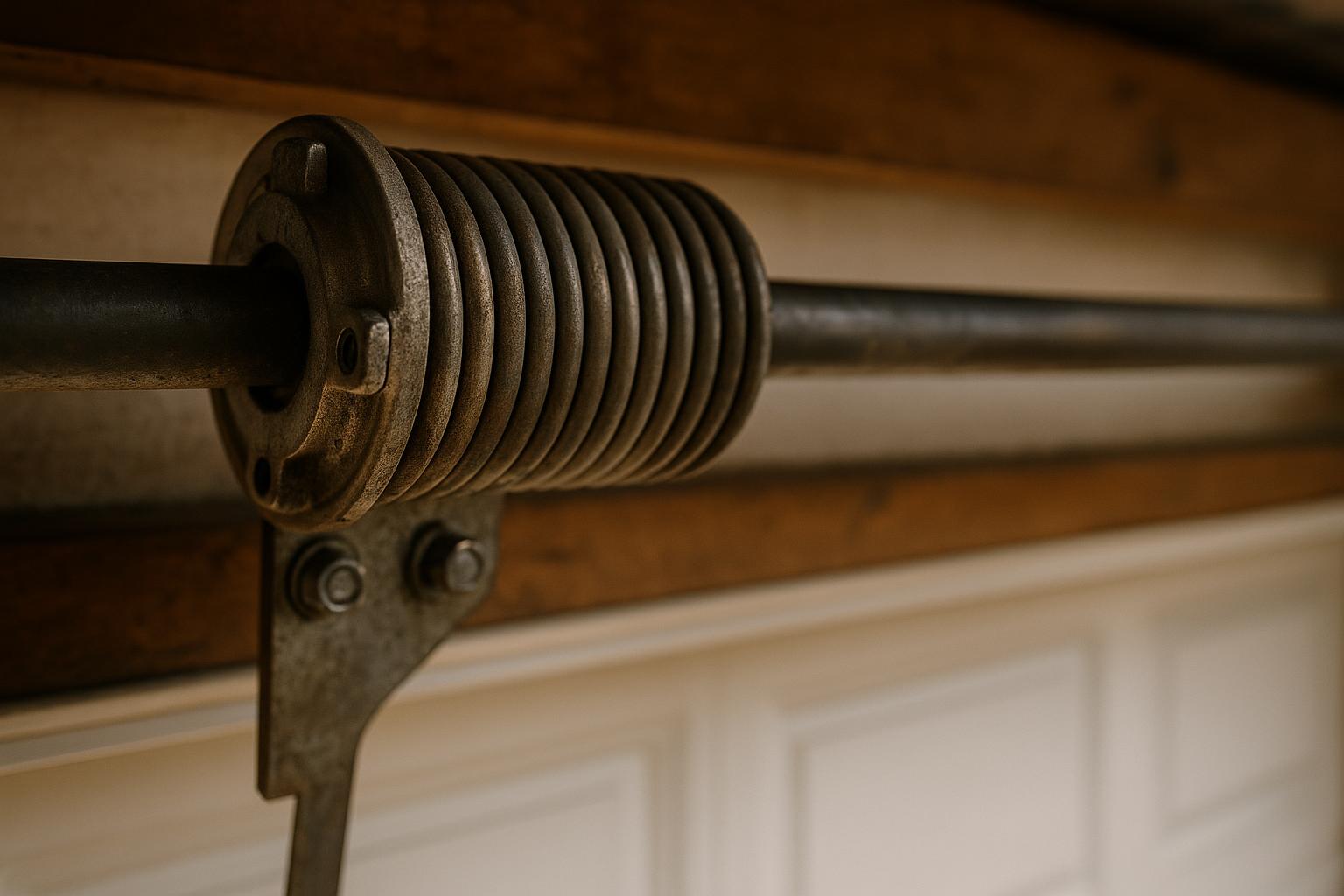
Your Garage Door Springs Are Working Harder Than You Think
Every time you open and close your garage door, the springs do the heavy lifting — literally. A standard torsion spring is rated for about 10,000 cycles, which means if you use your garage door four times a day, those springs could wear out in roughly seven years. For many homeowners in Clarksville, that timeline sneaks up fast.
A broken garage door spring isn't just an inconvenience. It can leave your car trapped inside, create a safety hazard, and lead to damage to your opener or the door itself. The good news is that springs rarely fail without warning. If you know what to look for, you can catch the problem early and schedule a repair before you're stuck with an emergency on your hands.
Why Garage Door Springs Matter So Much
Your garage door is one of the heaviest moving objects in your home, often weighing between 150 and 400 pounds depending on the material and size. The springs counterbalance that weight, making it possible for your opener — or your arms — to lift the door smoothly. Without properly functioning springs, the opener is forced to bear the full load, which can burn out the motor or strip the gears in short order.
There are two main types of garage door springs:
- Torsion springs — mounted on a metal shaft above the door opening. These are the most common type in modern residential installations.
- Extension springs — mounted along the horizontal tracks on either side of the door. These are more common on older systems.
Both types are under extreme tension, which is why spring repair and replacement should always be handled by a trained professional. A spring that snaps unexpectedly can cause serious injury.
7 Warning Signs Your Garage Door Springs Are Failing
1. The Door Feels Heavier Than Usual
Try disconnecting your opener by pulling the emergency release cord, then manually lift the door about halfway. A properly balanced door should stay in place on its own. If it feels extremely heavy or slams back down, your springs are losing tension and struggling to support the weight.
2. The Door Opens Unevenly or Crooked
If one side of your garage door rises faster than the other, it often means one spring has weakened more than its counterpart. This uneven movement puts stress on the tracks, rollers, and cables, which can lead to additional problems down the line.
3. You Hear Loud Squeaking or Popping Sounds
Some noise is normal during operation, but loud squeaking, grinding, or popping sounds can indicate that the coils are wearing thin or that the spring has developed a weak spot. If you hear a sudden loud bang from your garage when no one is using the door, a spring may have already snapped.
4. Visible Gaps in the Spring Coils
Take a look at your torsion spring above the door. A healthy spring has tightly wound, evenly spaced coils. If you notice a visible gap or separation in the coils — even a small one — the spring has broken or is on the verge of breaking.
5. The Opener Struggles or Stops Mid-Cycle
When springs lose their counterbalancing power, your garage door opener has to work much harder. You might notice the motor straining, the door reversing partway up, or the opener shutting off before the door is fully open. Many homeowners assume the opener is the problem, but worn springs are often the real culprit.
6. Rust and Corrosion on the Springs
Clarksville's humid climate, especially during the summer months, can accelerate rust formation on metal springs. Rust increases friction between the coils and weakens the metal over time, reducing the spring's lifespan significantly. Regular lubrication can slow this process, but heavily corroded springs should be replaced.
7. The Door Won't Stay Open
If your garage door slowly drifts closed on its own or won't stay open at the halfway point, the springs no longer have enough tension to hold the door's weight. This is a clear sign that replacement is needed sooner rather than later.
What to Do When You Spot These Signs
If you've noticed one or more of these warning signs, here's what we recommend:
- Stop using the door if possible. Continuing to operate a garage door with failing springs puts unnecessary strain on the opener and increases the risk of a sudden failure.
- Don't attempt a DIY spring repair. Garage door springs are under tremendous tension. Without the proper tools and training, attempting to adjust or replace them yourself can result in serious injury. This is one repair that's best left to professionals.
- Call a local garage door technician. A trained technician can assess the condition of your springs, determine whether repair or replacement is needed, and get your door back in safe working order quickly.
At Clarksville Garage Door Pro, we handle spring repairs and replacements every week for homeowners across Clarksville, Fort Campbell, and the surrounding communities. We keep common spring sizes in stock on our service vehicles so most repairs can be completed in a single visit.
How to Extend the Life of Your Garage Door Springs
While springs will eventually wear out no matter what, a little preventive maintenance can help you get the most out of them:
- Lubricate the springs every few months with a silicone-based garage door lubricant. This reduces friction and helps prevent rust.
- Schedule annual maintenance inspections. A professional can check spring tension, balance the door, and catch small issues before they become big problems.
- Consider high-cycle springs if you use your garage door frequently. These are rated for 25,000 to 50,000 cycles and can last significantly longer than standard springs.
- Keep the door balanced. An unbalanced door puts extra stress on the springs, shortening their lifespan.
Don't Wait for a Spring to Snap
A broken garage door spring always seems to happen at the worst possible time — when you're running late for work, loading up for a weekend trip, or trying to get the kids to school. By paying attention to the warning signs and scheduling a repair proactively, you can avoid the hassle and expense of an emergency service call.
If your garage door isn't operating the way it should, or if it's been several years since your springs were last inspected, give Clarksville Garage Door Pro a call. We'll take a look, give you an honest assessment, and make sure your door is safe and reliable for years to come.